

By PAUL O’DONOGHUE, Senior Correspondent
BIOCATCH has launched a public-private advisory board to help governments combat payment fraud.
Its remit includes tax, welfare and other payments made directly into citizens’ bank accounts.
The fraud prevention company has appointed three former officials as founding members. They are:
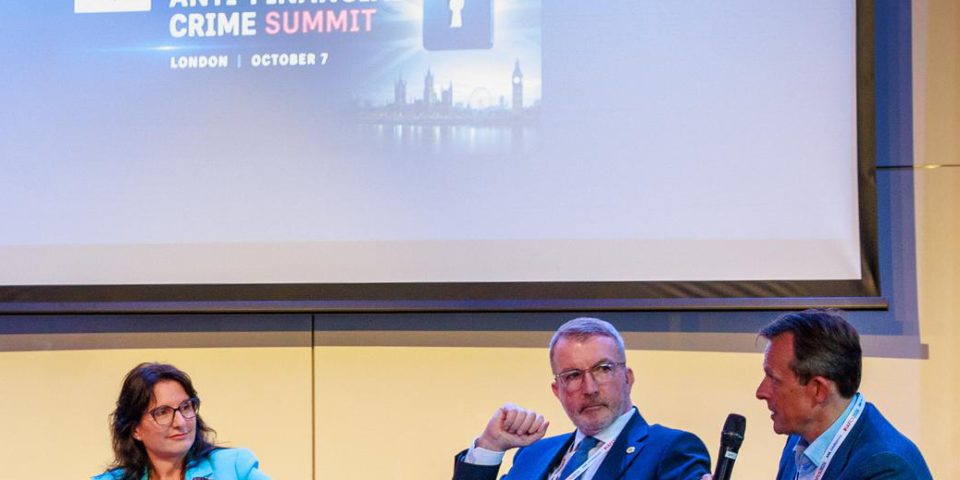
- Dr Shlomit Wagman – former director-general of Israel’s Money Laundering and Terror Financing Prohibition Authority.
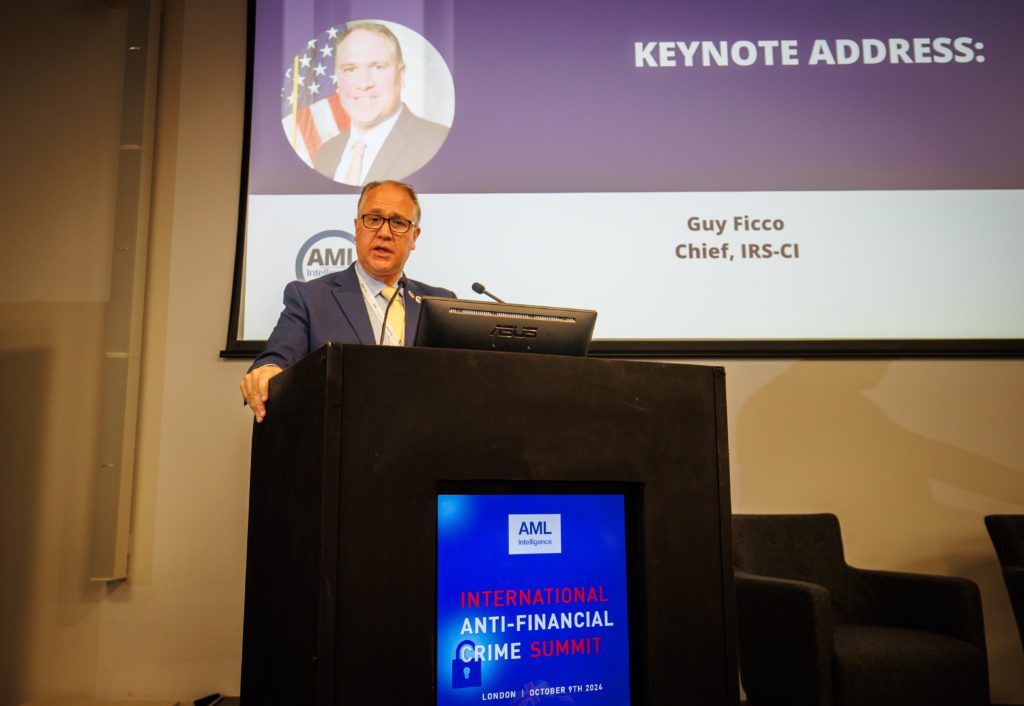
- Guy Ficco – former chief of the US Internal Revenue Service’s Criminal Investigation division
- John Ford – former deputy commissioner of the Australian Taxation Office
The board will seek partnerships with governments and law enforcement agencies worldwide.
BioCatch and its banking customers will then work with government offices to flag high-risk payments. The aim is to identify potentially fraudulent claims before authorities transfer tax, unemployment, pension and other benefits.
BioCatch is a fraud prevention company that uses behavioural biometrics, artificial intelligence and machine learning to detect suspicious activity during digital banking sessions.
“In an industry where trust is constantly under attack, BioCatch gives institutions a real edge,” Ficco said. “Getting to join the team as an advisor and contribute to that kind of impact is something I don’t take for granted.”
Ford said that fraud against tax and welfare systems “diverts resources from those who need them most and undermines confidence in government programs”. He added that the new board help governments “leverage BioCatch’s unique behavioral intelligence and network insights to identify risk earlier, strengthen program integrity,and better protect public funds”.
Wagman added: “Governments need new capabilities to tackle this rapidly evolving threat, moving from investigating fraud to preventing it in real time.
“By combining advanced technology with effective intelligence sharing across financial institutions, governments, and borders, we can help governments build smarter, faster, and more effective fraud prevention systems.”
BioCatch new advisory board
The initiative builds on BioCatch Trust, which launched in Australia in 2024. The programme allows member banks to share account intelligence in real time. BioCatch aims to extend similar data-sharing frameworks across sectors. This would help authorities identify suspicious activity beyond the banking system.
BioCatch chief executive Gadi Mazor cited research from the Organisation for Economic Co-operation and Development (OECD). This found that public bodies “can lose up to 5% of their annual spending to fraud and related losses”.
“Globally, that might represent trillions of dollars lost every year,” Mazor said.
“We believe we can help the governments of the world reduce those losses, ensuring that money ends up or stays where it belongs. We’re delighted to welcome Guy, John, and Shlomit to the team to help us execute on that goal.”
The US Government Accountability Office estimates that the federal government loses between $233 billion and $521 billion to fraud annually, according to BioCatch.
BioCatch collects more than 3,000 anonymised behavioural data points during digital banking sessions. More than 400 financial institutions used its solutions at the end of the third quarter of 2026, the company said. They analyse 20 billion user sessions each month and protect more than 760 million users.