Archives
Page 451/484
INSIGHT: Firms in US want more clarity on what makes an effective compliance programme. ACAMS survey sheds light on concerns as new Defence Act laws begin to bed in

SPECIAL REPORT: How Digital Advertising has become the lucrative frontline for dirty money, in effect a new Low-Cost Laundry. The industry allows criminals to both clean and make money
Commission hints at further law changes following #OpenLux revelations. Spokesperson says data provides ‘important information’ on Grand Duchy’s tax policies
INSIGHT: Ex Wirecard boss says range of people ‘could have spoken up earlier about the red flags, it would have limited the frauds’
#OPENLUX: All roads lead to Luxembourg – How luxurious properties on the French Riviera, top end hotels in Rome and German office blocks all link back to the Grand Duchy

#OPENLUX: Secrets of Luxembourg’s lucrative tax haven practices revealed – and just how businesses and tycoons in France benefit the most
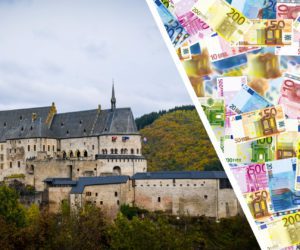
INSIGHT: Luxembourg is haven for global criminal funds due to poor AML oversight, major media investigation finds; 17,000 French based companies based in Duchy, #OpenLux Files reveal
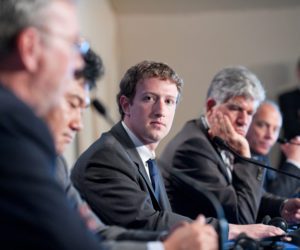
COMPLIANCE: Facebook becomes final social media giant to hire a CCO amid rising regulatory pressure at home and abroad
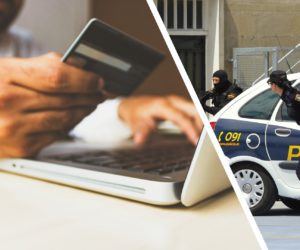
TRANSATLANTIC ARRESTS: Credit card fraud scheme busted in global AML operation; Europol reveal millions stolen from at least 50 US financial institutions

Hospice CEO behind $150M ‘reprehensible, deceitful’ money laundering scheme that saw thousands of patients given false diagnoses