



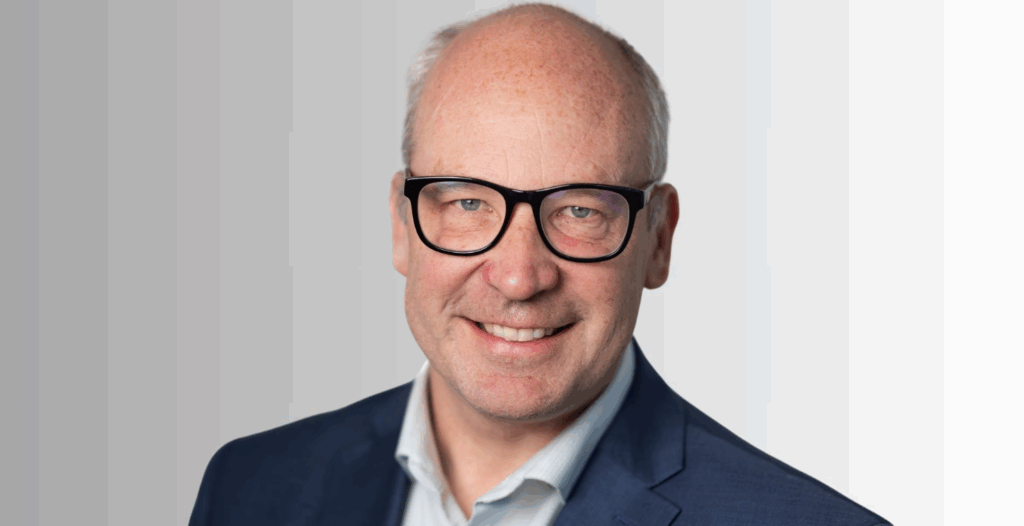
David Walmsley
President of the World Editors Forum (WEF) and creator of World News Day
FOLLOW the money. The phrase entered the international lexicon a lifetime ago when the Watergate scandal unfolded.
The intrepid Carl Bernstein and Bob Woodward knew the answers to their journalism lay at the end of the money trail.
In what now seem like quaint, more straightforward times, sources provided printouts and record keeping that helped enormously.
Today, the opaque business of digital money, illicit payments, slush funds and the masking of illegitimate billions in money movement, provides a whole new set of challenges that regulators are behind on as they face down organized crime.
Organised crime is at its simplest precisely that; well-organized criminals. They take advantage of the loopholes in regulations, digital fraud, preying on the elderly. Many of those applying their skills to steal are themselves far-off slaves working in penal conditions to serve a powerful master. The unmasking of the orchestra conductors is rarely achieved as the arrests focus less on the Mr Big and more on the vulnerable foot soldiers.
Financial institutions are regulated to ensure they are not being used as the engine of these criminal networks. The banks in turn are bombarded by states such as North Korea and Russia tirelessly working to find a gap in the defences. Elderly consumers overwhelmed with technological challenges in an alien digital world make for easy prey.
We all know someone close to us who has been defrauded by this virus. So what can be done?
Journalism to combat financial crime
Human nature struggles to grasp that a pixel or an ethereal threat has, at the end of the network, a gangster becoming impossibly wealthy simply through the deployment of technology.
But as anti-money laundering professionals, coders, police, international border controls and the various bodies such as Fintrac, face exponential growth in money laundering, it is the journalist who time and again provides the time, insight and the moral suasion that allows for the unmasking of bad actors.
Yes, the reality today is a different one to Washington in the early 1970s, but the will to reveal has only grown. Crypto-currency is named for the Greek word Kruptos, meaning hidden or secret. The industry doesn’t even try to hide its approach.
Against the backdrop of opacity, the chance to raise some quick cash is a seductive calling. Even for those who simply dabble in the hidden currency.
World News Day 2026
But for too many, money laundering is a close neighbour to human trafficking. The only difference is the currency. We all need to work hard to expose those who make profit from another’s misery.
World News Day, held this year on September 28, provides a chance to reflect on how you, the audience, can help journalists uncover what is going on and expose the criminal underworlds who otherwise would profit, in the background, against the pain of others.
Brave, independent journalism gives those underdogs a voice, and a chance to be heard. It is a problem as big as any ocean but every step forward is a help in the right direction. Contact your local media outlet today if you can help.
- David Walmsley is the president of the world editors forum and creator of World News Day, an annual day of awareness that takes place on Sept 28 each year. This year more than 100 countries across more than 1000 news titles are participating.