

By PAUL O’DONOGHUE, Senior Correspondent
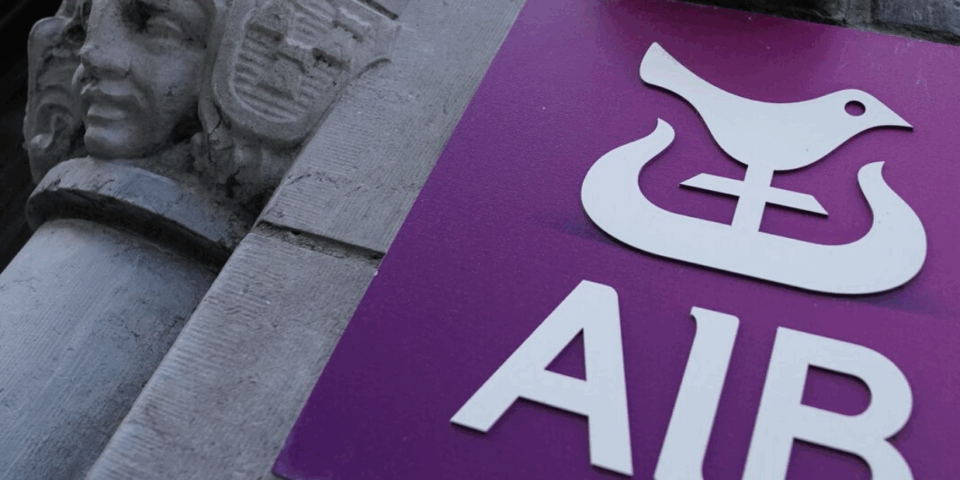
IRELAND’S AIB has warned of criminals impersonating bank staff to trick customers amid a major rise in payment fraud cases.
AIB Fraud Trend data showed that reported cases between January and September rose 55pc compared with the same period in 2025.
The bank warned that fraudsters are sending text messages that appear to come from banks. The messages claim a transaction has been put on hold and direct recipients to call a phone number. Criminals then pose as bank employees.
They try to gain customers’ trust and persuade them to disclose banking details and use this information to make unauthorised payments.
“This usually involves the fraudster talking the customer through how to move their money to another account, which, it is often claimed, is a safe account. But it is not and is instead controlled by the fraudster,” the bank said.
AIB fraud case study
AIB highlighted the case of a customer, referred to as James. He received a text claiming a €413.99 transaction at Ikea.com had been put on hold.
The message read: “AIB – A transaction of €413.99 to Ikea.com is on hold. If you made this, reply Y. If not, call us at +35312679142.”
James called the number and spoke to someone claiming to be “Fiona” from AIB Card Services. He asked whether his Internet Business Banking (IBB) account was at risk. The caller offered to check it.
She then requested his user ID, passcode and a one-time code. James provided the details.
The call lasted around two hours. During that time, he shared several one-time codes which allowed the scammer to access his account.
James became suspicious and contacted AIB from another phone. He was still on the first call when he contacted the bank.
“AIB immediately identified the other call as fraudulent and instructed the customer to terminate contact with the fraudster. James successfully recouped his funds,” it said.
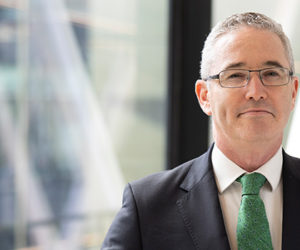
Adrian Moynihan, AIB’s head of consumer banking, said: “Criminals create a sense of urgency and trust.”
“Never move money to a so-called safe account, never share security codes, and never hand over your card, PIN or cash to anyone claiming to be from AIB,” Moynihan said.
“If you’re unsure, end the conversation and contact us directly using a trusted phone number.”