Anti-Financial Crime & Financial Crime Compliance
Regulatory Intelligence Leadership | Insight | Network

Compliance, Regulatory

LATEST: U.S. regulators propose bank-style KYC rules for stablecoin issuers
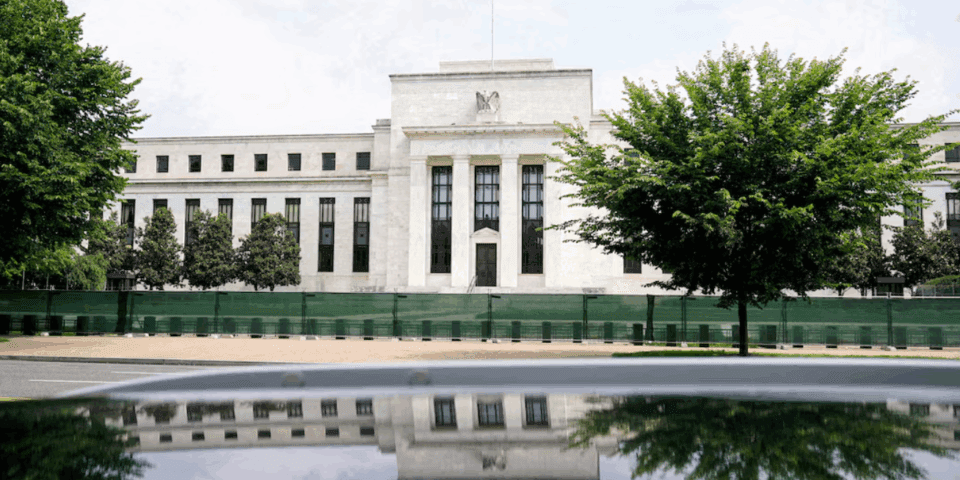
The exterior of the Federal Reserve building is seen in Washington, D.C., U.S., June 14, 2022. REUTERS/Sarah Silbiger/File Photo

By CARLO BOFFA, EU Correspondent

US authorities proposed on Thursday stricter know-your-customer measures for stablecoin issuers, akin to those applied to banks and credit unions.

The draft rule requires issuers to keep records of customers’ name, date of birth — or date of formation for an entity — address and identification number.

The proposal was issued jointly by the Treasury’s Financial Crimes Enforcement Network (FinCEN), the Office of the Comptroller of the Currency (OCC), the Federal Reserve, the Federal Deposit Insurance Corporation (FDIC) and the National Credit Union Administration (NCUA).

The measures implement the GENIUS Act requirement for stablecoin issuers to maintain effective customer identification programmes (CIPs).

Fed’s Barr concerns over regulatory framework

Following the draft’s release, Federal Reserve Governor Michael Barr expressed concern that the proposed rules do not address the risk of illicit funds being laundered through stablecoins.

“I remain concerned, however, that the GENIUS Act regulatory framework does not do enough so far to address the risks of illicit finance conducted through secondary market transactions in payment stablecoins,” he said.

Under the proposed rules, stablecoin issuers are required to check that customers are not suspected terrorists or part of any terrorist organisations designated by the U.S. Treasury.

Issuers must give customers adequate notice when requesting information to verify their identities.

They can rely on other financial institutions’ identity checks in respect of any customer that is opening, or has opened, an account.

The agencies invite public comments on all aspects of the proposed rule. Comments must be received within 60 days of the publication of the proposed rule in the Federal Register.

Barr said: “I will carefully review comments in response to the proposal’s questions regarding whether any portions of the CIP rule should be extended to secondary market activity.

“I will also be assessing whether overall implementation of the GENIUS Act regulatory framework beyond just the CIP rule would result in adequate protection against the use of stablecoins in illicit finance.”

AML Intelligence
We hope you enjoyed reading this article

If you would like unlimited access to AML Intelligence premium articles, newsletter delivered twice a week, access to our Global Bank Fines and Penalties database, free access to Boardroom Series events and much more, select one of our subscription options and become a subscriber!