

By PAUL O’DONOGHUE, Senior Correspondent
EU member states have agreed on new rules to force social media companies and financial instiutions to better protect customers against fraud.
The new set of rules, which are still at the provisional stage, would make online platforms responsible for removing fraudulent ads.
“Major online platforms and search engines may advertise financial services to consumers in a given member state only if the company providing those services is duly regulated and authorised within that member state,” the proposal said.
The rules would make payment service providers liable for covering customers’ losses if they fail to implement appropriate fraud prevention mechanism. They would also would force them to freeze suspicious transactions.
The proposals come after an agreement between EU governments and the European Parliament. The Parliament will continue working “on the technical elements of the package” before it is voted on, it said.
Regina Doherty MEP described the proposals as a “seismic shift in accountability” for the largest online platforms.
EU fraud rules mark accountability shift
“For too long, platforms have profited from misery,” she said.
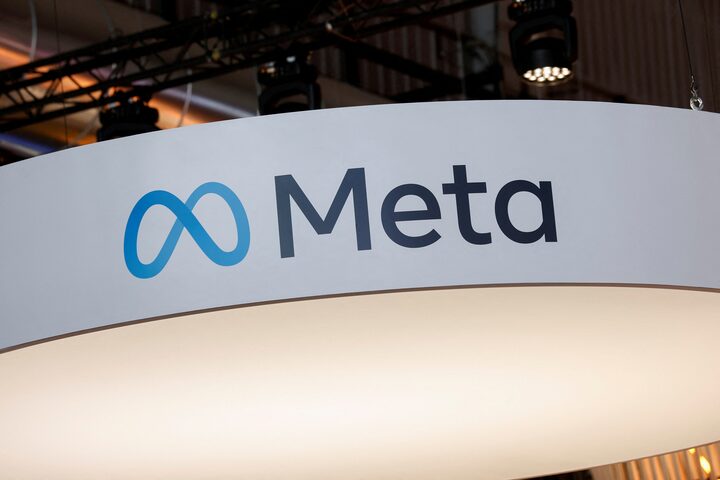
“Meta has even admitted that around 10% of its revenue, roughly $16 billion, came from scam-related activity. A staggering figure that shows just how deeply this problem runs. This agreement ends that.”
Doherty added that the proposal is “a major breakthrough”.
“Europe is saying clearly: if you knowingly host fraud, if you look the other way, you will be held to account,” she said.
“Citizens deserve better than a digital Wild West, and today’s agreement delivers exactly that. I look forward to the final details of the agreement, and then the vote in the European Parliament.”
Under the rules, payment account IBAN numbers will have to be checked against a corresponding bank account name before any transfer can take place. This is already the case for instant payment transfers taking place in euro.
The legislation should give more clarity on payment charges. Additionally, it would make it easier for payment providers to receive information from banks.
It would also force banks to ensure access to human customer care and not limit this to chatbots.
The Parliament and member states will have to formally adopt the rules before they come into effect.