


By AML Intelligence Correspondents
ALMOST 70pc of countries assessed by FATF have “major or structural deficiencies” investigating, prosecuting and convicting terrorist financing (TF) cases, it was revealed today (Tuesday).
The report warns that unless both the public and private sectors urgently bolster technical compliance and effectiveness, terror groups will continue to exploit vulnerabilities.
Today’s report by the Financial Action Task Force highlights the serious and evolving risks, pointing out gaps in countries’ abilities to fully understand TF trends.
Titled the Comprehensive Update on Terrorist Financing Risks, it shows terrorists have a “persistent ability to exploit the international financial system to support their activities and carry out attacks.”
The report finds that 69% of jurisdictions assessed by the FATF and the Global Network exhibited major or structural deficiencies in effectively investigating, prosecuting and convicting TF cases.
The significant threat level demands the delivery of risk-based counter-terrorist financing measures by the private and public sectors.
Evolving terrorist financing risks
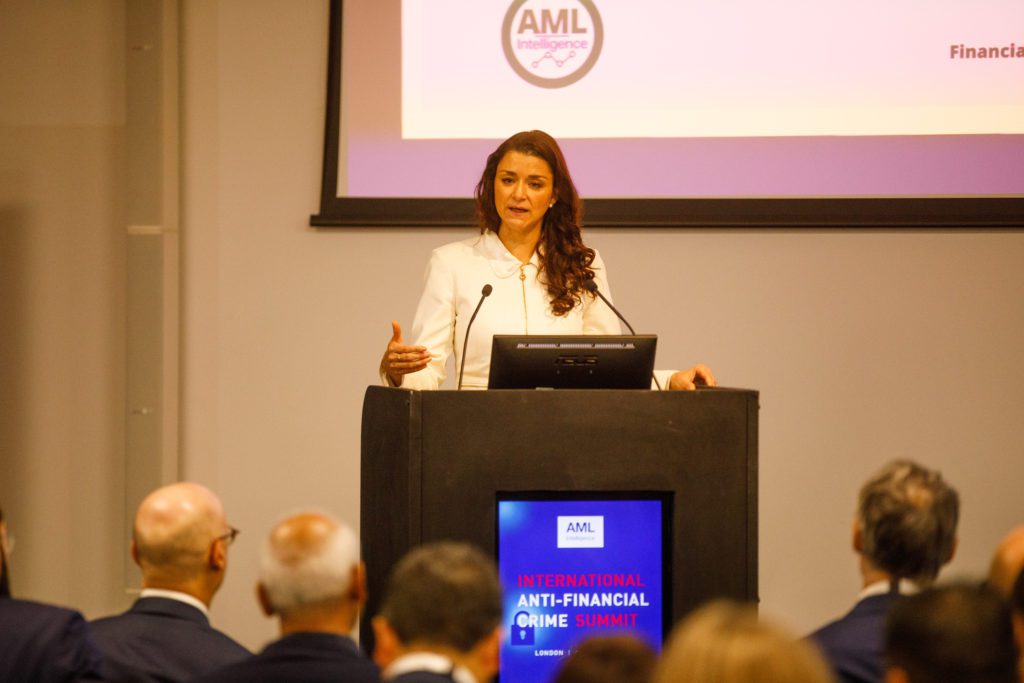
FATF President, Elisa de Anda Madrazo said: “This continued abuse of the financial system poses a serious threat to global security and undermines international peace.
“Countries around the world must use the intelligence in this report to build a stronger picture of the threats they face and harness the tools available through the FATF Global Network to strengthen international cooperation and intelligence sharing,” she added.
Key trends identified include:
- Operations increasingly decentralised, with regional financial hubs and self-financed cells playing a larger role, adapting to local contexts, and using a broader range of funding sources, from criminal proceeds to investments in business activities.
- The threat posed by lone individuals—often younger in age—is rising, with such actors relying on microfinancing strategies drawn from licit sources and petty crimes, as well as technology-enabled methods, including gaming and social media features.
- Tracing financial trails related to increasingly frequent ethnically, racially or politically motivated terrorist attacks comes with its own set of challenges, including inconsistent designations and proscriptions, as well as low scale and visibility of financial activity in the preparation of attacks.
- Convergences between terrorist financing schemes and organised crime.
- A marked increase in the mixed use of diverse methods of financing and the integration of digital technologies with conventional techniques, adding new layers of complexity to TF activities.
Humanitarian aid plays an essential role in conflict-affected regions. The report highlights the importance of protecting this critical work from abuse and warns of the risk of humanitarian aid being diverted for terrorist financing and promotes proportionate, risk-based measures to protect the humanitarian sector and safeguard NPO activity in line with international law.
Strengthening global response
To support countries in responding to these challenges, the report outlines key recommendations aimed at enhancing the Global Network efforts in understanding and responding to TF, including strengthening international cooperation and developing targeted PPPs (public private partnerships).
It also provides a set of practical risk indicators to help competent authorities, the private sector and other stakeholders to detect and suppress terrorist financing, such as patterns in payments, travel activity, and social media activity.
The report was produced with support from the United Nations’ Counter Terrorism Executive Directorate (UN CTED) and France as project co-leads. Assessing compliance with the applicable CFT requirements of UN Security Council resolutions has been part of the core mandate of the Counter-Terrorism Committee since its inception in 2001 and consequently became one of the key focus areas of UN CTED’s work.
Among other analytical work on CFT, UN CTED annually publishes summary assessments of gaps in implementing key CFT provisions of UNSCRs. Its most recent Thematic Summary Assessment of Gaps highlighted deficiencies in countries’ responses in investigating and prosecuting the financing of terrorism.
Assistant Secretary-General Natalia Gherman, Executive Director of UN CTED welcomed the adoption of the FATF Comprehensive Update on Terrorist Financing Risksnoting that “co-leading this work has been a unique experience for CTED and attests to a coordinated approach between CTED and other participating UN entities, and the FATF Global Network in analyzing evolving global and context-specific TF trends and supporting Member States in this regard.”
With terrorist financing remaining a serious global concern, the FATF will host a webinar on Tuesday 22 July 2025 to help all relevant stakeholders to better understand and respond to the risks identified in this report.
The report includes case studies spanning more than 10 years to provide a comprehensive overview of the factors influencing TF risks, bringing together contributions from more than 80 jurisdictions from across the FATF Global Network, extensive research and more than 840 submissions from the private sector, academia and think tanks.