
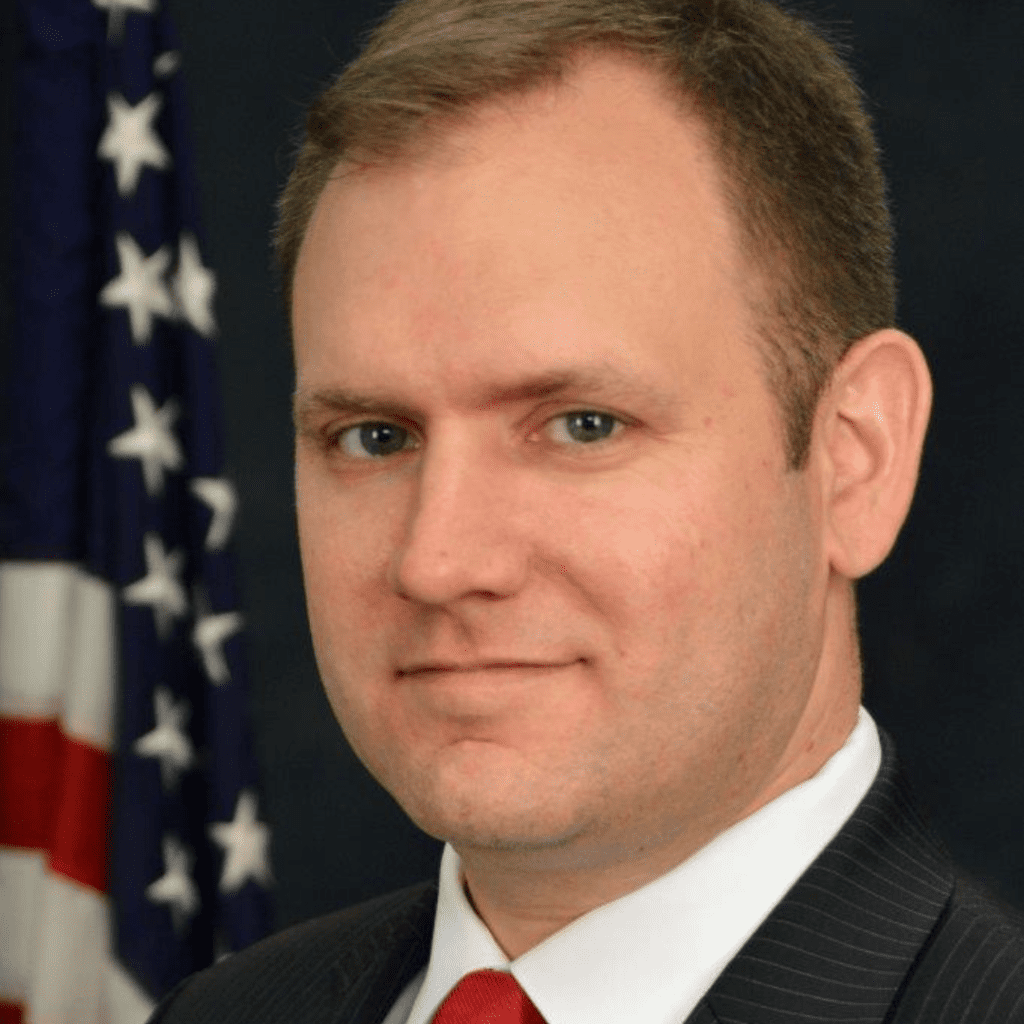
By Justin Cole
Partner and CEO, First Pitch Communication
AFTER nearly three decades in government service — including the last decade leading communications for IRS Criminal Investigation, I’ve learned one truth that’s becoming impossible to ignore: trust is collapsing faster than institutions can rebuild it.
And in the AML and financial‑crime space, that collapse isn’t theoretical– it’s operational.
We’re entering a decade where authenticity isn’t a “nice to have” or a brand differentiator. It’s a survival skill. The organizations that communicate with a real voice — not a sanitized one, not an AI‑generated one, not a politically engineered one — will be the ones that still have influence ten years from now. Everyone else will be noise.
The Trust Recession Is Real — And It’s Hitting Government and Industry Alike
Let’s say the quiet part out loud: politics have infected institutions that once served as apolitical guardians of public safety. The U.S. FDA and CDC, once considered gold standards of scientific authority, have become political footballs. You don’t have to agree with the criticism to acknowledge the impact: millions of people simply don’t trust them anymore.
In AML, that mistrust spills over. Regulators, law enforcement agencies, and even private‑sector compliance teams are now viewed through a lens of skepticism. People question motives. They question competence. They question whether the system is working for them or against them.
During my years at IRS-CI, I saw firsthand how fragile trust can be. When we communicated clearly, consistently, and with a human voice, the public responded. When we communicated like a bureaucracy — even unintentionally — people tuned out or assumed the worst. The difference was not just the message. It was the tone.
And tone is now everything.
AI Has Made Authenticity Harder — And More Valuable
The second force reshaping trust is artificial intelligence. AI has democratized content creation, but it has also democratized inauthenticity. Anyone can generate a press release, a statement, a social post, or even a “personal” message that sounds polished and professional.
The result? Audiences are becoming numb. They assume everything is manufactured. They assume everything is optimized. And they assume everything is fake until proven otherwise.
This is the paradox:
AI has made communication easier, but it has made connection harder.
In my own PR agency work, I see this every day. Clients want efficiency, speed, and volume — but their audiences want humanity. They want to hear a real voice, not a perfect one. They want to know who you are, not just what your brand guidelines say you should sound like. If all of your social media posts look or sound the same, how do you expect to connect with the viewer?
The organizations that win will be the ones that use AI as a tool, not a mask.
Authenticity Isn’t a Style — It’s a Strategy
Authenticity isn’t about being casual, emotional, or unfiltered. It’s about being recognizable. It’s about having a voice that people can identify even when they don’t see your logo.
In government, that means speaking plainly, not bureaucratically. In the private sector, that means speaking honestly, not defensively. And in AML, that means speaking with purpose, not platitudes.
When I worked in the intellectual property rights space at DHS, we dealt with victims who had been financially devastated by counterfeit goods and scams. They didn’t want a polished statement. They wanted someone who sounded like they understood the stakes. Someone who sounded like they cared. The right communication allowed them to open up, to help us help them.
That’s the bar now — everywhere.
The Next Decade Will Reward the Organizations That Build Real Relationships Now
Here’s the uncomfortable truth: none of us knows what the next decade will look like. AI will reshape communications, fraud, identity, and trust in ways we can’t predict. If you follow the news, you already know the real concerns about AI. Politics will continue to polarize institutions. Criminal networks will adapt faster than regulators can respond.
The only durable asset any organization will have is the relationship it builds with its audience — whether that audience is taxpayers, consumers, victims, clients, or partners.
If people trust you, they will forgive your mistakes. They will listen when you warn them about threats. They will follow your guidance, even when it’s inconvenient. And they will stay with you when the landscape shifts.
Trust is the new currency. Authenticity is the new compliance program. Voice is the new brand.
And the organizations that understand this — and act on it now — will be the ones that survive the next wave of disruption.
The AML Space Needs to Get Louder, More Human, and More Honest
AML professionals have always operated behind the scenes. But the world has changed. Scams are global. Fraud is industrialized. Criminal networks are technologically sophisticated. And victims are everywhere.
If we want the public to understand the threat, we need to communicate like people, not institutions.
If we want private‑sector clients to trust our guidance, we need to speak with clarity, not jargon.
And if we want regulators to be credible, they need to sound like leaders, not committees.
And if we want to build a future where AML work is understood, supported, and valued, we need to stop hiding behind the comfort of “official language” and start speaking with the authenticity that audiences crave.
The Bottom Line
Authenticity isn’t a trend. It isn’t a branding exercise. It isn’t a communications tactic.
It’s the foundation of trust — and trust is the foundation of everything we do in AML.
The organizations that embrace this reality will thrive. The ones that ignore it will fade. And the ones that try to fake it will be exposed.
The next decade belongs to the communicators — and the institutions — who dare to sound human.