

By PAUL O’DONOGHUE, Senior Correspondent
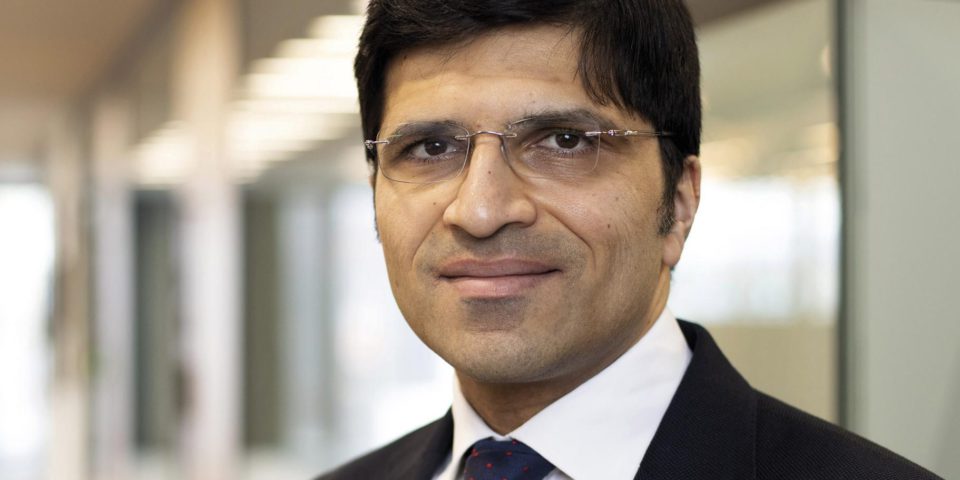
THE chief executive of the Financial Conduct Authority (FCA) has called for ‘the end of tickbox compliance’ at UK finance firms.
Nikhil Rathi said excessive data collection and complex validation processes have bogged down companies.
“As much as 8% of banks’ workforces are dedicated to combatting crime. We should be delivering far better outcomes with those resources,” he told the Corporation of the City of London’s annual City Dinner.
“We promised less intensive supervision for those clearly trying to do the right thing, so we can focus where harm is greatest.
“But the impact won’t be fully felt unless we also end tickbox compliance. Reams of potentially duplicative assurance – data packs, risk reports, internal audit. Some of these processes driven by commercial choice, others by regulation and legislation.”
FCA deputy chief executive Sarah Pritchard will engage with the industry to streamline unnecessary work, Rathi said.
He said she will “give boards confidence to be brave, and consider if it’s time to look again at the three lines of defence”.
FCA signals compliance shift
He also said that the FCA wants firms to look beyond know-your-customer (KYC) checks to identify money laundering as it becomes the UK’s primary AML regulator.
The regulator will bring more than 60,000 professional services businesses within its AML remit by 2028.
“As we integrate over 60,000 professional services businesses into our ambit, Johan Sekora, our new chief operating officer, who previously led Swedish banks’ intelligence sharing efforts, will spearhead work to look beyond know your customer (KYC) process so we unearth actual money laundering,” Rathi said.
He added that information collected through KYC, transaction and sanctions monitoring will “remain valuable”.
However, he argued that firms needed to make better use of this information to understand customers’ wider context and ” join up the dots”.
The FCA also plans to use AI to improve its own risk assessments. Rathi said AI tools could help supervisors assess cases, analyse regulatory returns and intelligence, and flag missing or concerning information across millions of rows of data.
“Freeing up our people to do the work we need experts to do: to make the hardest decisions,” Rathi said.
“Such as when agentic coordination becomes market manipulation. Or judging when a risk becomes system-wide.”