


By PAUL O’DONOGHUE, Senior Correspondent
THE U.S. Treasury Department said it will hand over Suspicious Activity Reports (SARs) on transactions between Jeffrey Epstein and various parties, including JPMorgan Chase, to the House Oversight Committee.
In a letter sent Friday, Treasury officials wrote that the department “plans to fully cooperate with the Committee and intends to provide all information responsive to your request in a timely manner and compliant with the law.”
The Committee said it wanted access to “Epstein-related Treasury records”. It asked for these files to be “turned over to Senate investigators”.
“The files detail Epstein transactions totaling at least $1.5 billion dollars,” the committee said in a statement.
“They also reveal potential violations of federal anti-money laundering laws by JPMorgan and other banks.”
Senators have introduced the Produce Epstein Treasury Records Act (PETRA). The law would compel the Treasury to turn over Epestein-related records.
The bill, seeks “all suspicious activity reports relating to Jeffrey Epstein and his co-conspirators and any third party individual or entity that transacted with Jeffrey Epstein”.
House Oversight Chairman James Comer said in a statement in response to the letter, “We will follow Epstein’s money trail to ensure transparency and accountability for the survivors and the American people.”
Banks file Suspicious Activity Reports (SARs) when transactions appear unusual. The reports do not prove wrongdoing. They can, however, highlight potential money laundering risks. The Treasury said it will work with other federal agencies to deliver the material “as thoroughly as possible.”
JPMorgan and Jeffrey Epstein connection
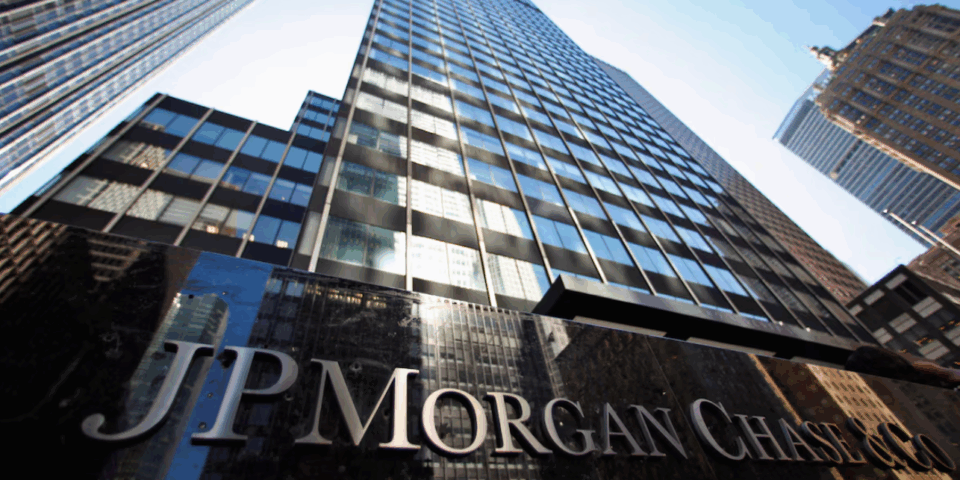
The release increases pressure on JPMorgan. The bank kept Epstein as a client for more than a decade. A New York Times report published earlier this month showed this came despite repeated warnings about Epstein.
The publication said Epstein was considered a “treasured customer.” He held more than $200 million in deposits and generated millions in fees. He also helped broker JPMorgan’s $1.3 billion purchase of hedge fund Highbridge Capital, a deal that earned him $15 million.
JPMorgan said the relationship “was a mistake.” The bank added: “In hindsight we regret it, but we did not help him commit his heinous crimes. We would never have continued to do business with him if we believed he was engaged in an ongoing sex trafficking operation.”