
By PAUL O’DONOGHUE, Senior Correspondent
THE UAE (United Arab Emirates) has taken major steps forward in its AML journey in the space of just a few years.
In a show of its progress, the country has assumed the Presidency for the MENAFATF (Middle East and North Africa Financial Action Task Force) for 2026.
The UAE is now working to ensure that other countries in the region also improve their compliance systems.
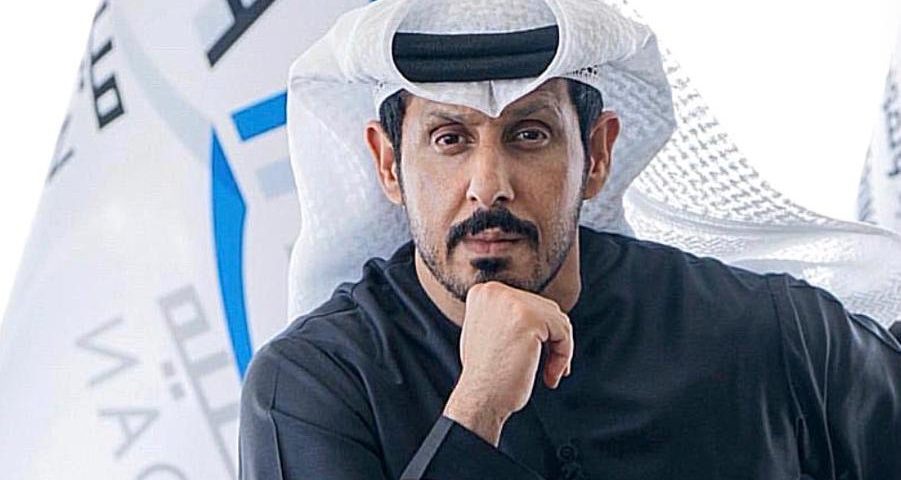
The head of the UAE’s AML secretariat H.E. Hamid Al-Zaabi will be a key driver of this and represent the UAE during its MENAFATF presidency.
AML Intelligence spoke to Mr Al-Zaabi on the UAE’s compliance journey, its plans for MENAFATF and upcoming AML reforms for 2026.
MENAFATF Presidency
Q. Congratulations on assuming the Presidency of MENAFATF. How would you categorise the UAE’s three key goals over the presidential term?
A. Thank you, and I’m delighted to have this opportunity to speak with AML Intelligence again. There are three key objectives I’m targeting during our presidency. First, to help MENAFATF member states prepare as thoroughly as possible for this round of Mutual Evaluation Reports, ensuring effectiveness is genuinely enhanced. Second, for the MENAFATF region to amplify its voice at the global level and become an active contributor to international policy. And third, to deliver tangible impact on economic security across the region—protecting our societies while promoting shared prosperity. These objectives are reflected in six technical priorities that build on the foundation established last year under previous joint presidency.
Q. Culture is usually derived from the top down. How would you describe your leadership style and the culture of the General Secretariat?
A. I’m always somewhat challenged by these questions because my personal style is to lead from the front rather than talk about myself. I’m a strong believer in personal responsibility and high standards, and I push my team hard. We’re in these roles because of our patriotism and sense of duty to our country. We’re a team of around 80 people, and we care deeply about each other and achieve results through genuine collaboration.
EU relationship
Q. It’s clear from recent visits by EU heads of government and justice ministers that engagement with the UAE has intensified over the past 12 to 18 months. Can you describe how this cooperation is evolving and the UAE’s efforts to repatriate and extradite crime suspects to EU countries?
A. The EU is a vitally important partner, and I’m pleased the UAE has strengthened relations with both Brussels institutions and individual member states. We have an annual Strategic Dialogue with the EU that encompasses AML/CFT cooperation, and we’ve signed new Mutual Legal Assistance Treaties to facilitate extradition and asset recovery. A total of 10 MLATs have been initiated or completed with EU jurisdictions, including 9 fully ratified by EU member states. Between 2022 and 2025, the UAE assisted the EU with the extradition of 340 individuals, including 74 completed extradition decisions. This sends an unequivocal message: criminals are not welcome in the UAE, and we will bring them to justice if they enter our jurisdiction.
Q. Do you expect closer cooperation going forward—and what does that look like?
A. Absolutely. This cooperation has two dimensions. First, continuity: we will maintain the intensive direct engagement needed to drive international cooperation that yields concrete results. Second, innovation: we’re exploring new approaches to continue improving our effectiveness and learn from each other. Europe has robust regulatory frameworks and is charting a new course with AMLA’s establishment. The UAE is a highly influential global trade and financial hub that connects European markets to Asia, Africa, and beyond. We want to exchange best practices on countering financial crimes that transcend borders and threaten our shared economic security.
MENAFATF goals
Q. Returning to the MENAFATF’s three main Presidential goals—how will you implement them?
A. We have a comprehensive plan that involves increased funding and resources for the Secretariat while ensuring technical support is available to members who need it. We’re leveraging major events such as the UN Crime Congress in Abu Dhabi this April to connect our region with the wider world. We’re also engaging experts and partners from beyond the MENA region, inviting them into our discussions to introduce fresh perspectives and innovative approaches. I should emphasize that the UAE Presidency serves all member states equally—the discussions within the Advisory Committee, Secretariat, and Plenaries will directly inform our actions.
Q. What impact does MENAFATF aim to have on AML policy at the international level?
A. The enlarged role of FSRBs is an important and commendable feature of the Mexican Presidency of the FATF under Eliza’s leadership. I believe this ‘bottom-up’ approach has significant value, and last year the UAE hosted the first all-FSRB retreat in Abu Dhabi to facilitate these discussions.
MENAFATF matters among the FSRBs not only because of our collective economic weight—our combined GDP is roughly $3.5 trillion—but because of our strategic geographic position. We sit at the crossroads between regions and host global centres for finance and commodities. From a policy perspective, our membership encompasses a diverse range of jurisdiction profiles: from wealthy developed economies to large developing ones, and some affected by conflict.
Regarding this MENAFATF Presidency specifically, we’re at an early stage with several initiatives focused on international risk assessment—I hope to share more details in the near future. Without question, one measure of this Presidency’s success will be whether we make meaningful contributions to global policy development.
Reputational victory
Q. Returning briefly to the EU context, the UAE recently achieved significant AML reputational victories, including MEPs voting to remove the UAE from its AML watchlist last year. What is the significance of this for the UAE?
A. It’s definitely important because the EU is both a strategic partner and one of our largest trading partners. The UAE satisfied the FATF and was removed from the grey list in 2024. After that, we worked diligently to engage with our EU counterparts to ensure that the UAE was in the right place from a European perspective as well. I am proud to say that those efforts paid off and that the EU subsequently removed the UAE. The European Parliament is a political body, and as a technocrat I won’t comment on its internal workings, but I am confident that we have an excellent working relationship with Europe and fully expect this to continue strengthening.
Q. What can other countries learn from the UAE’s AML/CFT and broader anti-financial crime improvements?
A. Every country is on a journey and the important thing is to maintain momentum and the right trajectory, and not lose sight of what real success looks like. If a country approaches compliance with genuine determination to combat financial crime—not simply to tick boxes—the efforts are repaid tenfold through enhanced economic security. Regarding how we achieved our results, there are three main lessons: high-level political commitment is an absolute prerequisite; the risk-based approach must be applied through coordinated whole-of-government action; and sustained communication with both domestic stakeholders and international partners is essential to secure their engagement and support. I’m always willing to share our experience with national delegations.
AML reforms
Q. Last year the UAE announced several changes to its AML laws. What impact have these reforms had?
A. These changes represent the culmination of several years of dedicated effort. Today we have a dynamic, integrated, and sustainable national system that is delivering concrete results—arresting criminals, seizing their ill-gotten gains, and supporting our international partners in doing the same. The passage of Federal Decree Law 10 in 2025 brought the UAE into full alignment with the latest FATF standards and builds upon our technical compliance rating of 39 out of 40 standards. Our key AML institutions have been restructured to maximize effectiveness, with the Higher Committee setting strategy, the National Committee leading on policy, and its General Secretariat coordinating and performing the executive work. We’ve implemented a national strategy based on findings from an updated National Risk Assessment and the findings are being put to use by the private sector as well as competent authorities.
Q. Is the UAE planning any other major AML reforms in 2026?
A. The key reform to watch this year is the establishment of the Asset Recovery Office, provided for under Federal Decree-Law No. 10 of last year. We have been engaging with experienced partners in this field, including Italy, France, and the UK, reflecting the fact that asset recovery is a priority for both the UAE and the Mexican Presidency of the FATF. It is also worth noting that the UAE currently holds the Presidency of the MENA Asset Recovery Inter-Agency Network (MENA-ARIN), and we are therefore looking to help set regional standards in this area.