


By PAUL O’DONOGHUE, Senior Correspondent
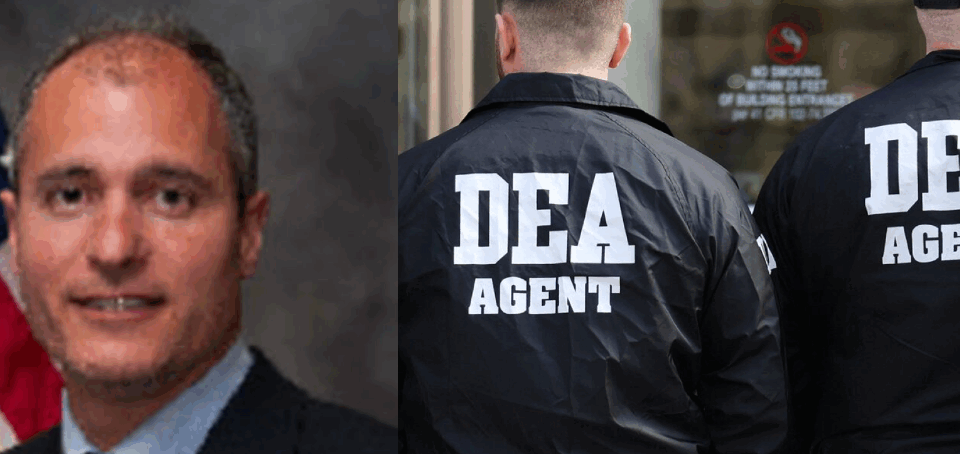
U.S. prosecutors have charged Paul Campo, a former senior DEA finance official, with agreeing to launder $12 million in drug proceeds for a Mexican cartel.
Campo, 61, spent about 25 years at the DEA (Drug Enforcement Administration) and rose to deputy chief of its financial operations before retiring in 2016 to run a consulting firm.
Prosecutors say Campo and an associate, Robert Sensi, 75, laundered about $750,000 on behalf of the notorious CJNG cartel by converting cash into crypto. They say the two men agreed to process a total of $12 million.
DEA administrator Terrance C. Cole said, “We will not look the other way simply because someone once wore this badge.”
U.S. Attorney Jay Clayton said: “Campo conspired to assist CJNG, one of the most notorious Mexican cartels, that is responsible for countless deaths through violence and drug trafficking.
“By participating in this scheme, Campo betrayed the mission he was entrusted with pursuing for his 25-year career with the DEA.”
Campo and Sensi pleaded not guilty. The court ordered both into detention. Their lawyers declined to comment after the hearing.
The indictment, published by the Attorney General’s office, said: “Paul Campo, a former DEA official, and friend Robert Sensi, agreed to launder approximately $12 million. And participate in narcotics trafficking for the CJNG (Cartel de Jalisco Nueva Generacion).”
Paul Campo cartel claims
Investigators relied on a confidential informant, identified as ‘CS-1’. The informant worked with law enforcement and posed as a member of the CJNG. CS-1 met Campo and Sensi twice in March. The informant provided the cash used in the alleged laundering scheme. The indictment says neither man met real cartel members and that the money never reached the group.
The U.S. State Department has designated CJNG as a foreign terrorist organisation. They say the group operates in dozens of countries, including the U.S. It traffics cocaine, fentanyl and other controlled substances.
The indictment says Campo outlined methods to conceal drug proceeds. These included including real-estate investments, prepaid cards, cryptocurrency and cash smuggling.