
By PAUL O’DONOGHUE, Senior Correspondent
AFTER a wave of deregulation, the crypto sector has been rocked by the ‘Coin Laundry’ expose – an investigation looking at the links between dirty money and digital currencies.
A major international investigation has unearthed a litany of crypto-backed criminality – including people trafficking operations, drug cartels and Russian criminal gangs.
It’s thought that the US, which has been notably pro-crypto under the Trump regime, is unlikely to launch a major federal inquiry into the revelations.
However, AML Intelligence revealed today that AMLA, Europe’s AML watchdog, looks set to probe the findings.
So, what did the probe from the ICIJ (International Consortium of Investigative Journalists) uncover? Here, we go over the key findings.
Dark money flows into crypto exchanges
The ICIJ traced how large sums of illicit crypto end up on big exchanges. These included the likes of Binance, OKX, Coinbase and Kraken. The cash is linked to crimes including scams, drug cartels and human trafficking.
For instance – the ICIJ revealed how over $408 million in Tether flowed to Binance accounts from Huione Group. Huione Group is a Cambodian financial conglomerate, which the U.S. has accused of laundering illicit funds from online scams. Last month, officials proposed cutting Huione off from the U.S. financial system.
Criminal links
The investigation traced wallets linked to drug gangs, such as Mexico’s notorious Sinaloa cartel. It also linked wallets to Russian criminal networks, and North Korean hackers.
The ICIJ reported that a wallet associated with the Sinaloa cartel reportedly received almost all its funds from Coinbase accounts
Use of ‘cash desks’
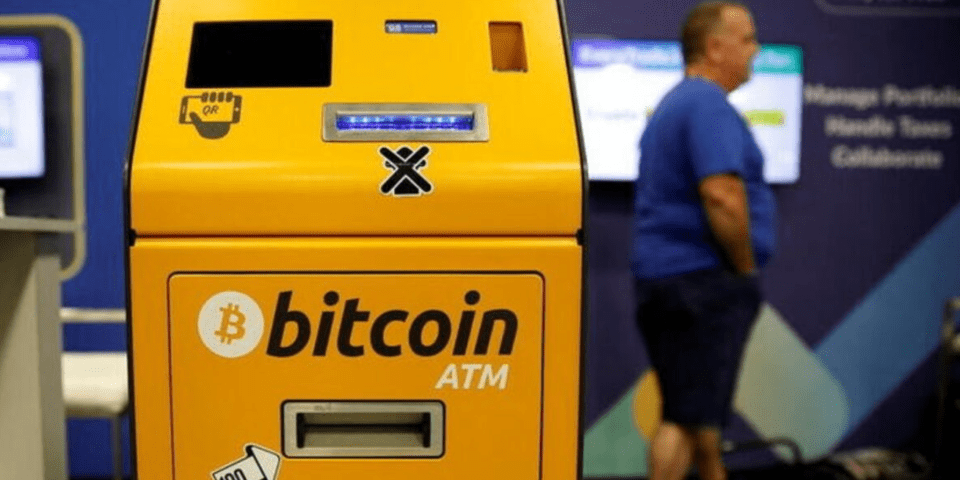
The investigation highlighted a network of crypto-to-cash services – these are called ‘cash desks’. Here, people can convert large amounts of crypto into physical cash anonymously.
For example, it focused on a service called 001k. The firm was offering to pay people in cash (e.g., US $10,001) in exchange for Tether. Since August 2022, it has received more than $14.8 billion in crypto.
Victims do not get justice
The ICIJ and its partners interviewed dozens of scam victims from multiple countries.
In the majority of cases, ICIJ found that funds from the alleged scammers’ wallet addresses “were channeled to accounts at major cryptocurrency exchanges”. These included Binance, OKX, HTX and Bybit.
“Of those victims who reported the thefts to law enforcement, most saw their cases go nowhere,” the ICIJ said.
Ineffective regulations
While all these activities are meant to be policed by regulators and law enforcement, this often does not happen in reality.
The ICIJ said that fragmented and overlapping laws and enforcement efforts “can mean less government oversight” for the crypto sector. proposed cutting Huione off from the U.S. financial system.