


By PAUL O’DONOGHUE, Senior Correspondent
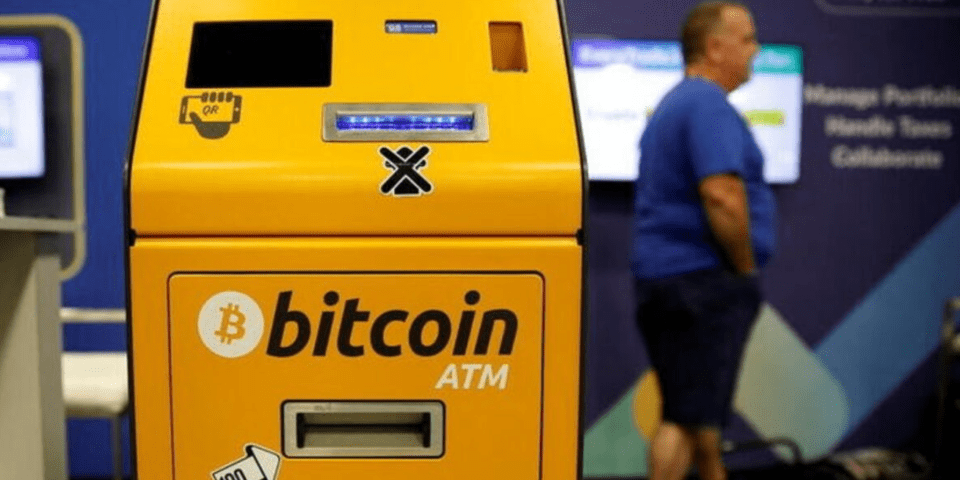
CRIMINALS increasingly use crypto ATM scams to steal money from victims, the U.S. Financial Crimes Enforcement Network (FinCEN) has warned.
In a new notice, FinCEN urged financial institutions to stay alert for suspicious activity involving virtual currency kiosks, also known as crypto ATMs.
“While CVC kiosks can be a simple and convenient way for consumers to access CVC, they are also exploited by illicit actors, including scammers,” FinCEN said.
“The risk of illicit activity increases when kiosk operators fail to meet their obligations under the Bank Secrecy Act (BSA).”
These kiosks allow customers to exchange fiat currency for cryptocurrency through ATM-like terminals.
FinCEN Director Andrea Gacki said criminals are adapting quickly to exploit new technologies. “Criminals are relentless in their efforts to steal money from victims. They’ve learned to exploit innovative technologies like CVC kiosks,” she said.
She added that the U.S. remains committed to protecting the digital asset ecosystem. “Financial institutions are a critical partner in that effort. This Notice supports [the] Treasury’s continuing mission to counter fraud and other illicit activities.”
Crypto ATM scams impact
In 2024, the FBI received nearly 11,000 complaints involving crypto ATMs and kiosks.
Reported losses totalled around $246.7 million — a 99% jump in complaints and a 31% rise in losses compared to 2023.
The FinCEN notice provides “an overview of typologies associated with illicit activity involving CVC kiosks”.
“In particular, it highlights the rise in scam payments facilitated by CVC kiosks,” FinCEN said.
The organization said these include tech and customer support scams, as well as bank imposter scams.
“Some of these scams disproportionately impact older adults,” it said.
“The notice highlights red flag indicators and reminds financial institutions of their reporting requirements under the BSA.”